Adaptogenic Plants in Tradition and Culture
Explore the botanical heritage of plants traditionally used in herbal systems for supporting daily equilibrium and active living across diverse global traditions.
Introduction to Adaptogenic Concepts in Tradition
Plants traditionally classified in herbal systems as supporting general adaptation and daily equilibrium in active lifestyles represent a rich tapestry of botanical knowledge spanning millennia. These plants have been integrated into various cultural practices and traditional medicine systems across Asia, Siberia, and beyond.
The historical classification of these plants reflects the accumulated observations and wisdom of traditional practitioners in Ayurvedic, Chinese, Siberian, and South-East Asian systems. Rather than representing claims about specific physiological mechanisms, these classifications document cultural practices and traditional uses.
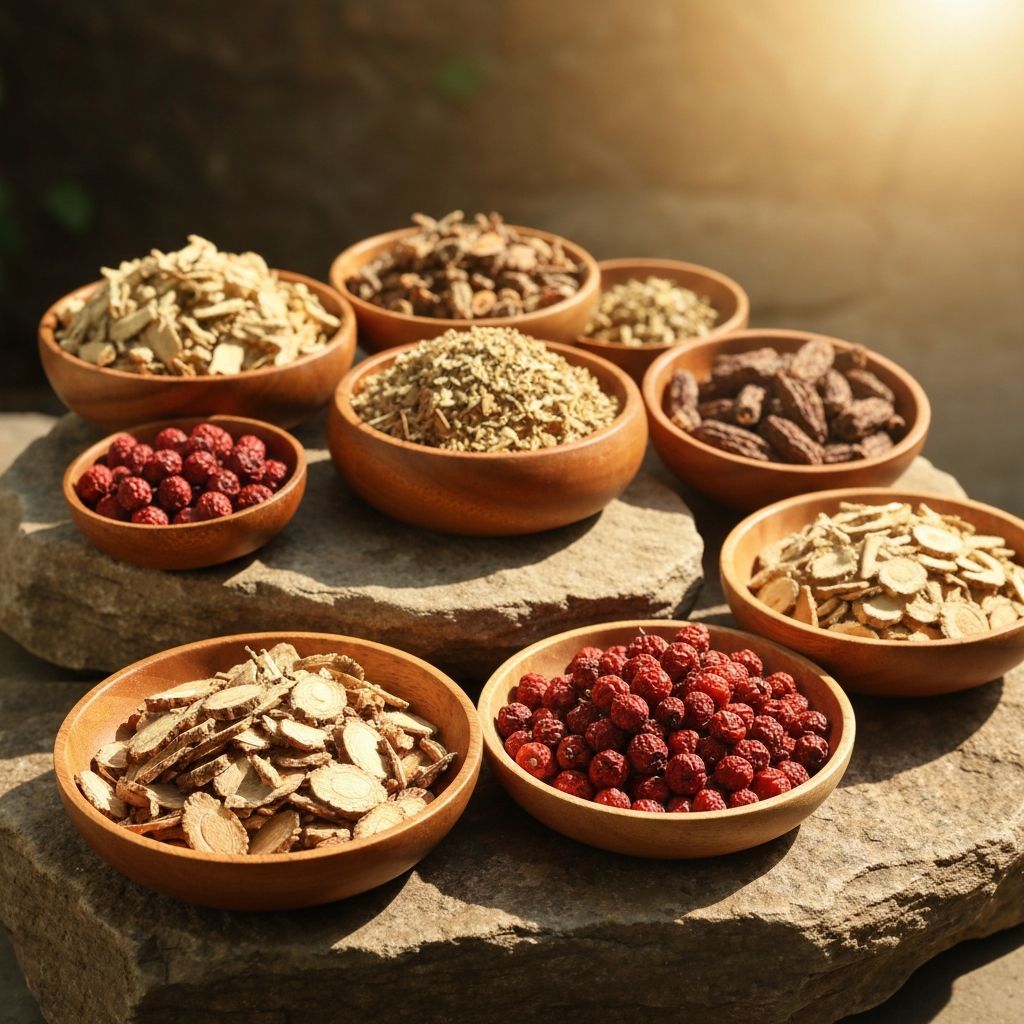
Historical Classification in Herbal Systems
Across different regions and traditions, certain plants have maintained their significance in daily wellness practices for centuries. These plants feature in traditional texts and continue to be part of cultural heritage in their native regions. The traditional categorization reflects cultural values, observed properties, and historical usage patterns rather than clinical classifications.
Withania somnifera Profile
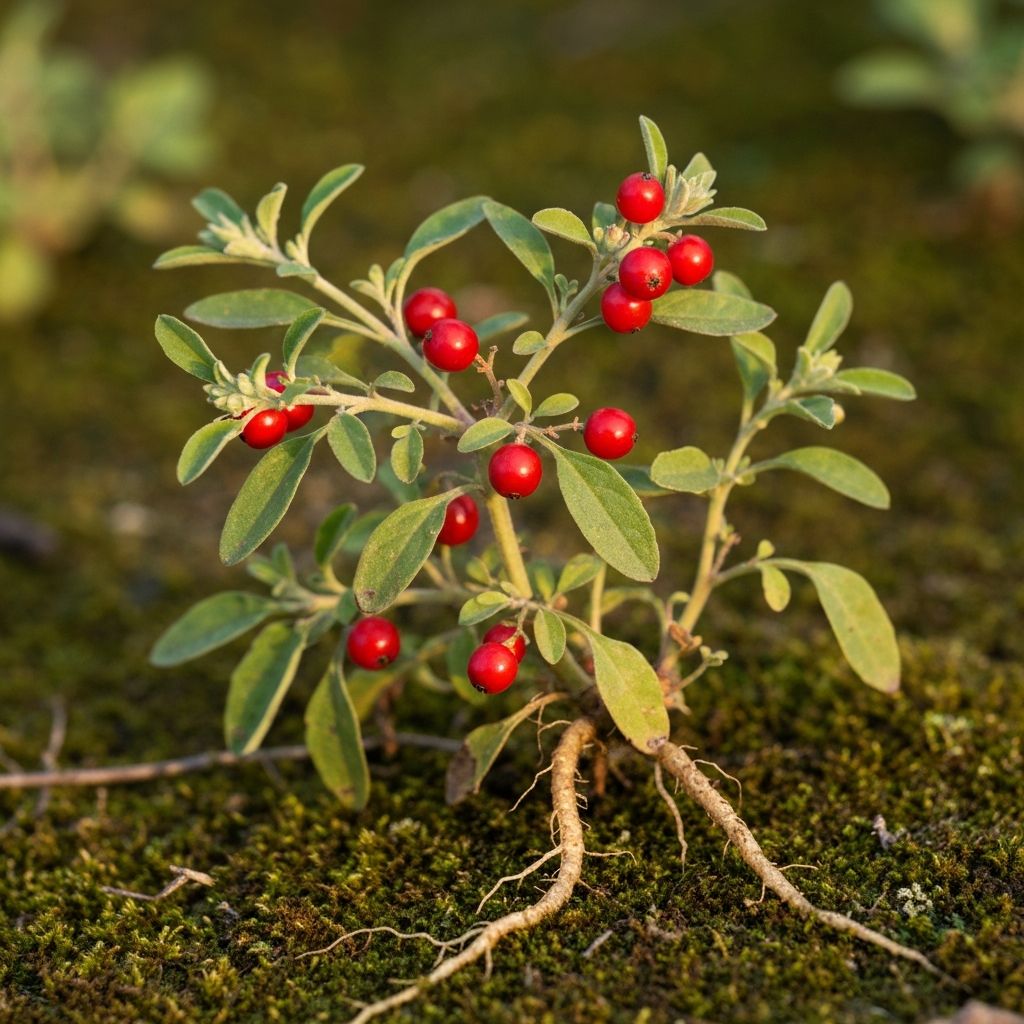
Botanical Details and Traditional Names
Withania somnifera, commonly known as Ashwagandha in Sanskrit, holds significant place in Ayurvedic traditions. The plant features small green flowers and distinctive orange berries, with a complex root system containing various phytochemical compounds including withanolides.
In traditional Ayurvedic practice, Withania somnifera has been used in daily wellness rituals for thousands of years. The roots and berries represent different traditional forms of preparation, each serving specific roles in classical formulations and cultural practices.
The plant grows in warm, arid climates and has been cultivated across India and other regions of South Asia for its traditional significance in wellness practices and daily life rituals.
Eleutherococcus senticosus Overview
Eleutherococcus senticosus, known as Siberian ginseng or ciwujia in Chinese tradition, represents an important plant in Siberian and East Asian herbal heritage. The plant is characterized by its thorny stems and small dark berries, with a robust root system containing eleutherosides and other phytochemical components.
In traditional Siberian practice, this plant has been used as part of daily wellness practices for centuries. The roots represent the primary traditional form of use, traditionally prepared as decoctions and infusions. The plant thrives in cool, forested regions and maintains cultural significance in traditional medicine systems of Russia and East Asia.
Traditional use in Siberian and Chinese wellness practices reflects the plant's role in supporting active lifestyles in challenging climates and demanding conditions historically common in these regions.
Rhodiola rosea in Folk Practices
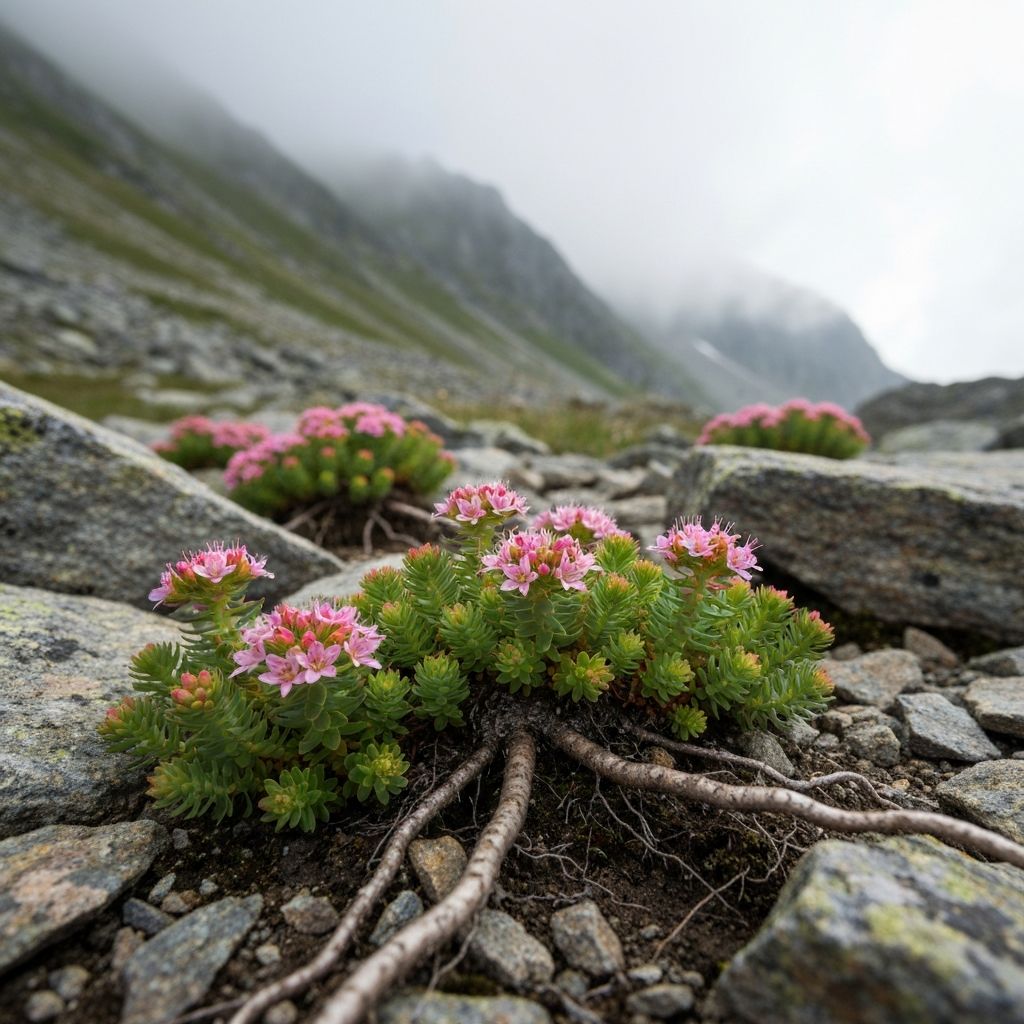
Root Description and Regional Use
Rhodiola rosea grows in alpine and arctic regions across Europe and Asia. The plant features distinctive golden flowers and features roots containing rosavins and salidroside, key phytochemical compounds documented in traditional use.
In Scandinavian and Russian folk traditions, Rhodiola has been valued for generations as part of wellness practices. The root represents the traditional form of preparation, often used in decoctions and traditional formulations supporting daily equilibrium in active, traditional lifestyles.
The plant's natural habitat in challenging mountain environments has made it significant in the cultural heritage of regions where it grows, with documented use in traditional practices across Northern Europe and Asia.
Panax ginseng & Schisandra chinensis
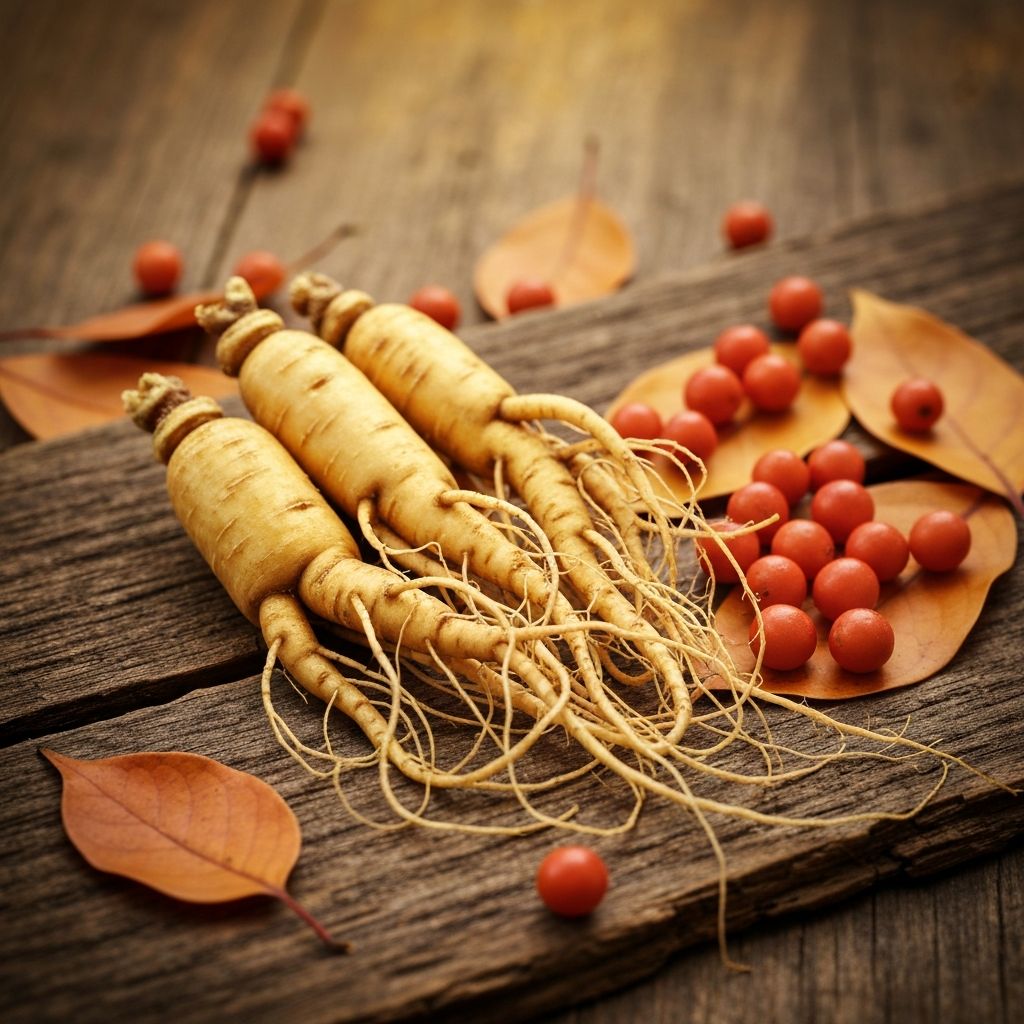
Key Features and East Asian Heritage
Panax ginseng, deeply rooted in Chinese and East Asian traditional medicine, represents one of the most significant plants in these heritage systems. The root features ginsenosides as primary phytochemical components and has been cultivated for thousands of years across Korea, China, and surrounding regions.
Schisandra chinensis, known as the "five-flavor berry" in Chinese tradition, produces distinctive red berries containing schisandrins and other phytochemical compounds. The fruit has been documented in traditional Chinese medicine texts for over 2,000 years and remains culturally significant in East Asian wellness practices.
Both plants represent cornerstone plants in traditional East Asian wellness systems, with documented roles in daily equilibrium practices and cultural heritage spanning multiple centuries and dynasties.
Ocimum sanctum in Daily Rituals
Leafy Herb Role in South Asian Traditions
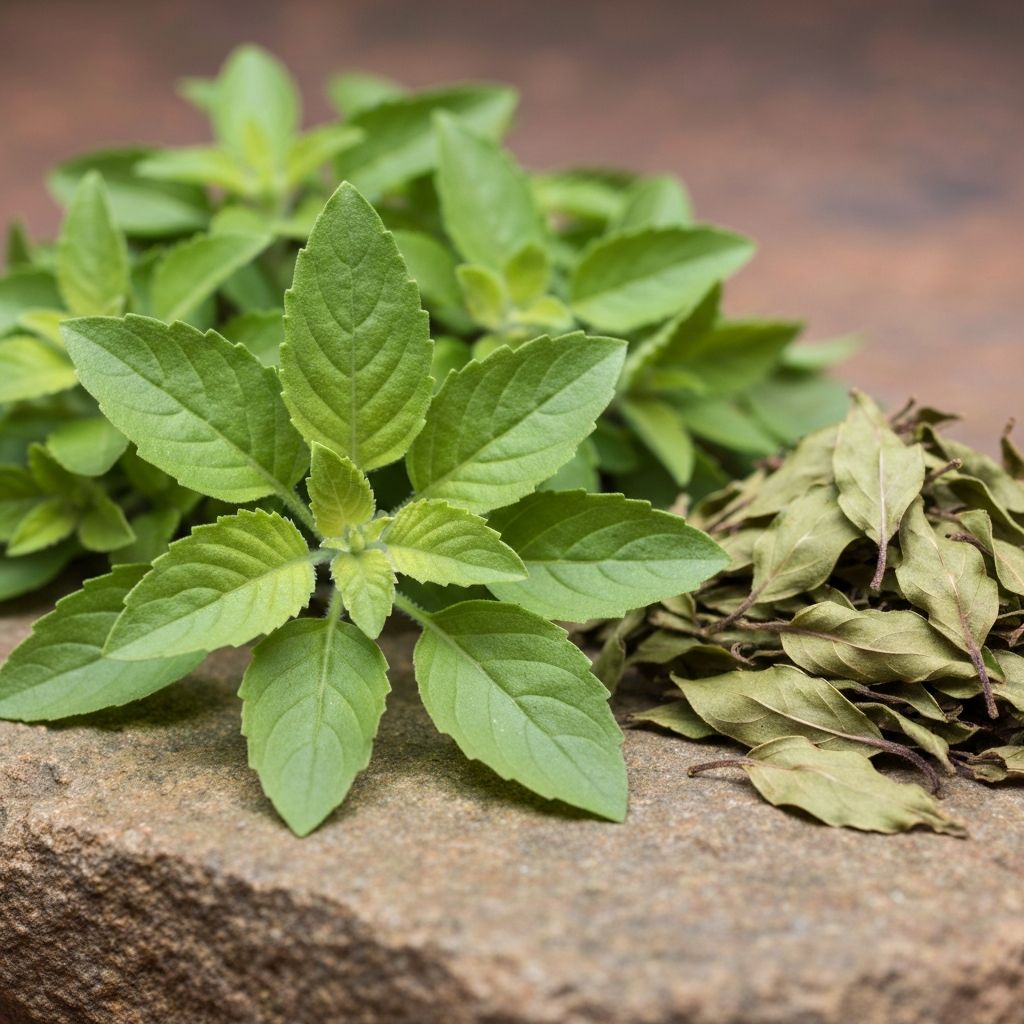
Ocimum sanctum, revered as Tulsi or Holy Basil in Sanskrit traditions, holds profound cultural and spiritual significance in South Asian practices. The plant features aromatic leaves containing various phytochemical compounds and represents a central element in daily wellness rituals across India and surrounding regions.
In traditional Ayurvedic practice, Tulsi leaves are used fresh or dried in teas, rituals, and daily wellness practices. The plant is often cultivated in households and temples, reflecting its integration into cultural and spiritual life beyond medicinal contexts.
The traditional use of Ocimum sanctum represents the fusion of botanical knowledge with cultural and spiritual practice, demonstrating how plant traditions extend beyond individual wellness into broader aspects of daily life and cultural heritage.
Simple Diaphragmatic Breathing Patterns

Gentle Traditional Breathing Awareness
Diaphragmatic breathing represents a fundamental practice documented across various traditional wellness systems. The technique involves conscious awareness of natural breathing patterns and represents a simple approach to body awareness practiced in multiple cultures.
In traditional practices, breathing awareness serves as a foundational element supporting daily equilibrium. The practice is simple, accessible, and has been documented as part of traditional wellness approaches in Ayurvedic, Chinese, and other heritage systems.
The technique focuses on awareness rather than specific outcomes, reflecting the informational and educational nature of traditional approaches to daily wellness and equilibrium.
Brief Body Awareness Pauses
Neutral Short Relaxation Techniques
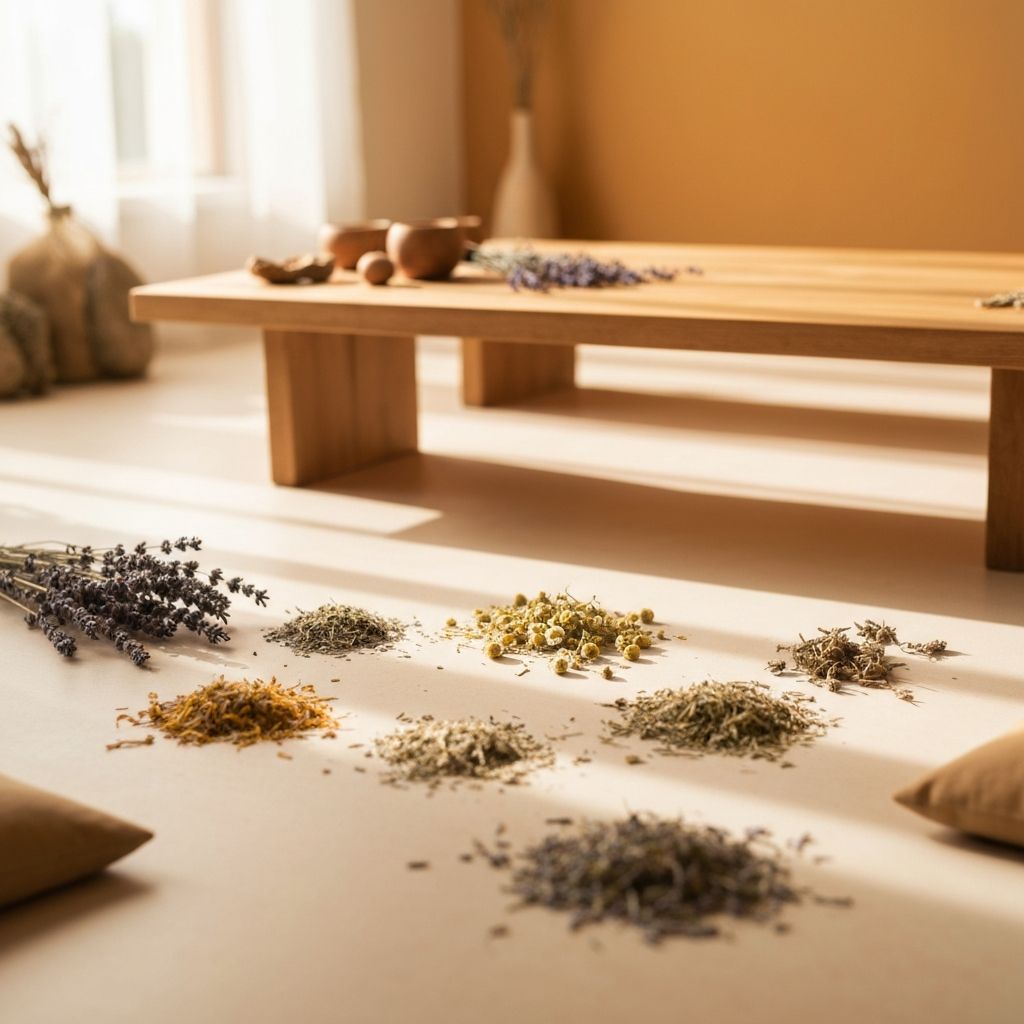
Brief body awareness practices represent simple techniques documented in traditional wellness systems. These practices involve moment-to-moment awareness of physical sensations and represent foundational elements in various traditional approaches.
The techniques are simple and informational in nature, reflecting the educational approach to traditional wellness practices rather than prescriptive recommendations. These represent general knowledge about practices that have existed across cultures for extended periods.
Such practices support the broader context of daily equilibrium awareness documented in traditional systems without making specific claims about outcomes or mechanisms.
Broad Views on Plant Variety in Lifestyle
The role of diverse botanicals in cultural approaches to equilibrium and active living reflects the agricultural richness and traditional knowledge of various regions. Different cultures have developed sophisticated systems of plant knowledge, with multiple species serving complementary roles in traditional wellness practices.
Understanding plant variety in lifestyle contexts involves recognizing how different regions developed distinct relationships with local flora. In South Asia, East Asia, and Siberia, these relationships shaped comprehensive systems of knowledge about plant properties, preparation methods, and cultural significance.
The botanical diversity itself represents a resource for cultural and historical learning, offering insights into how different societies have integrated plant knowledge into daily life, rituals, and wellness practices across time.
Additional Informational Resources
Siberian Heritage Plants
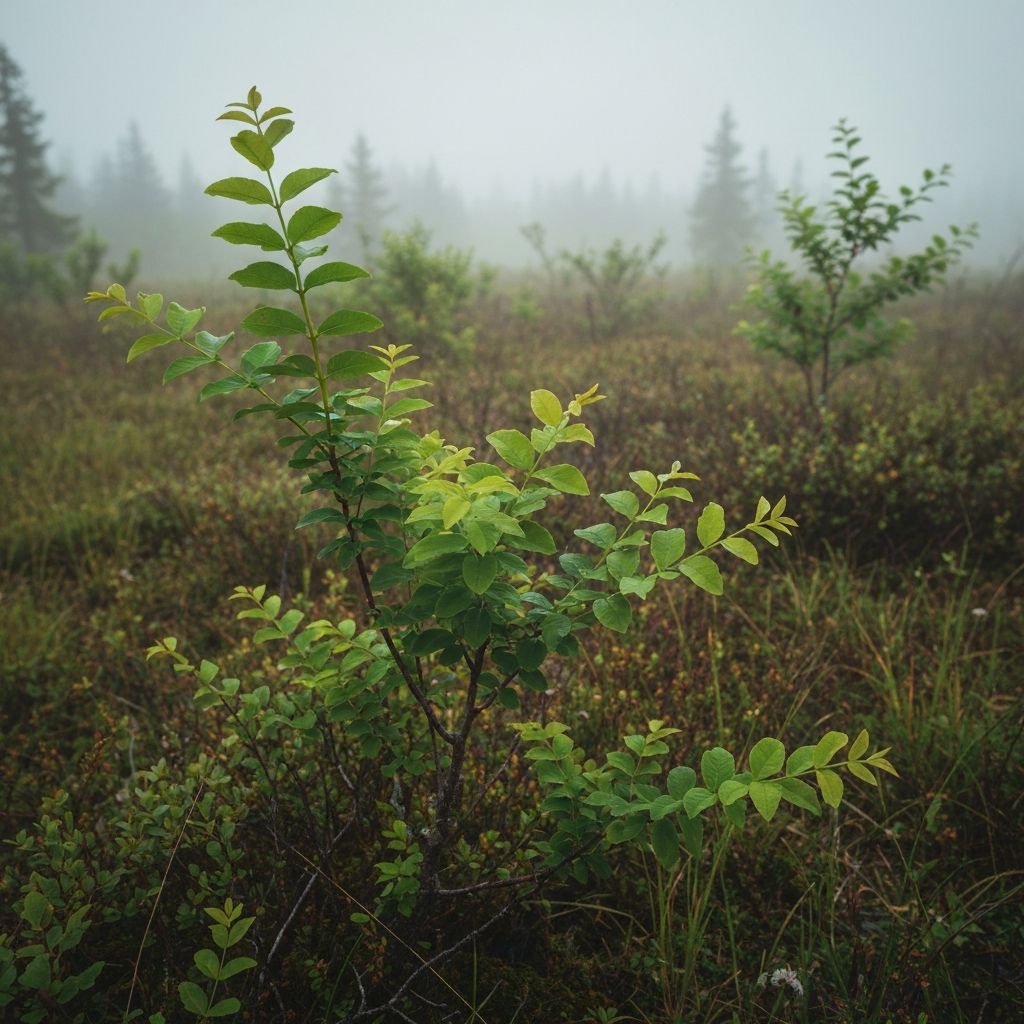
Exploration of plants significant in Siberian wellness traditions and their botanical characteristics.
Explore Traditional Forms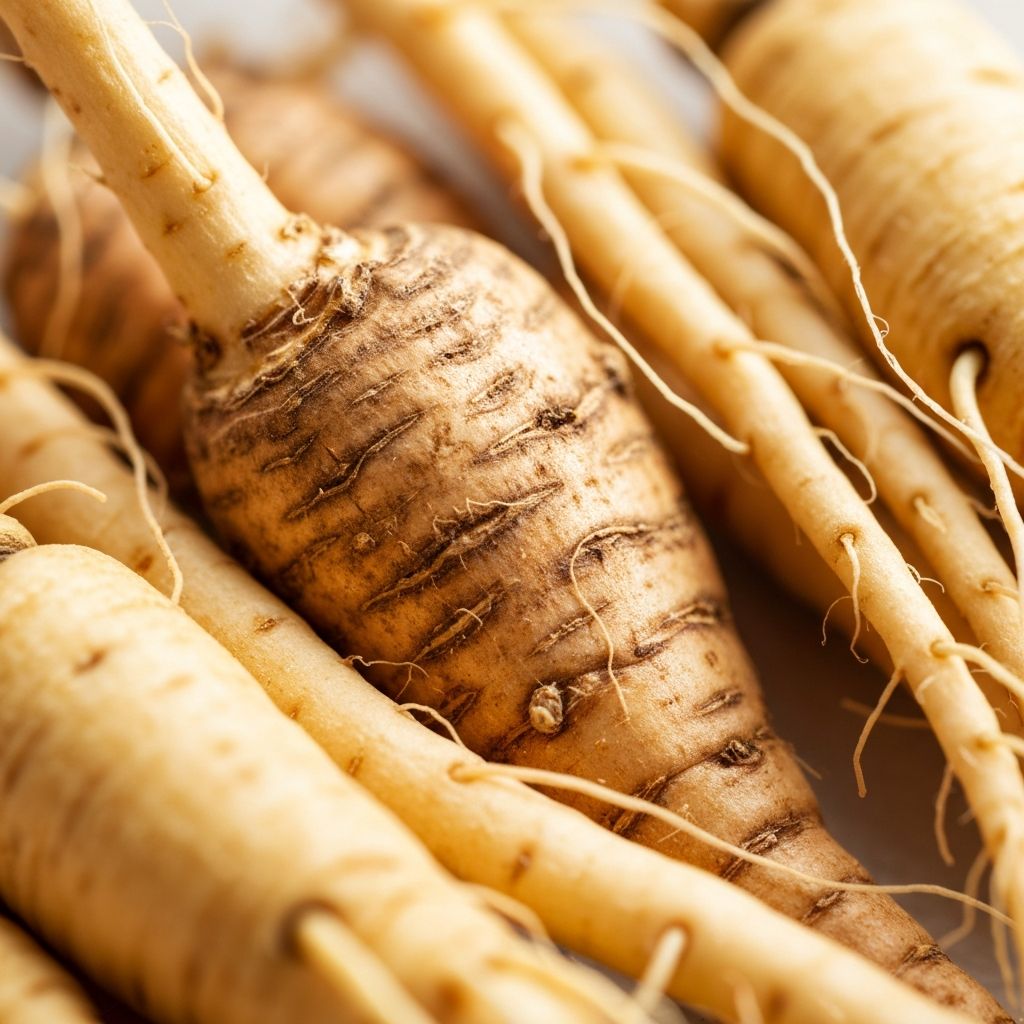
Botanical Structure and Composition
Understanding the physical characteristics and phytochemical composition of traditional herbs.
Learn More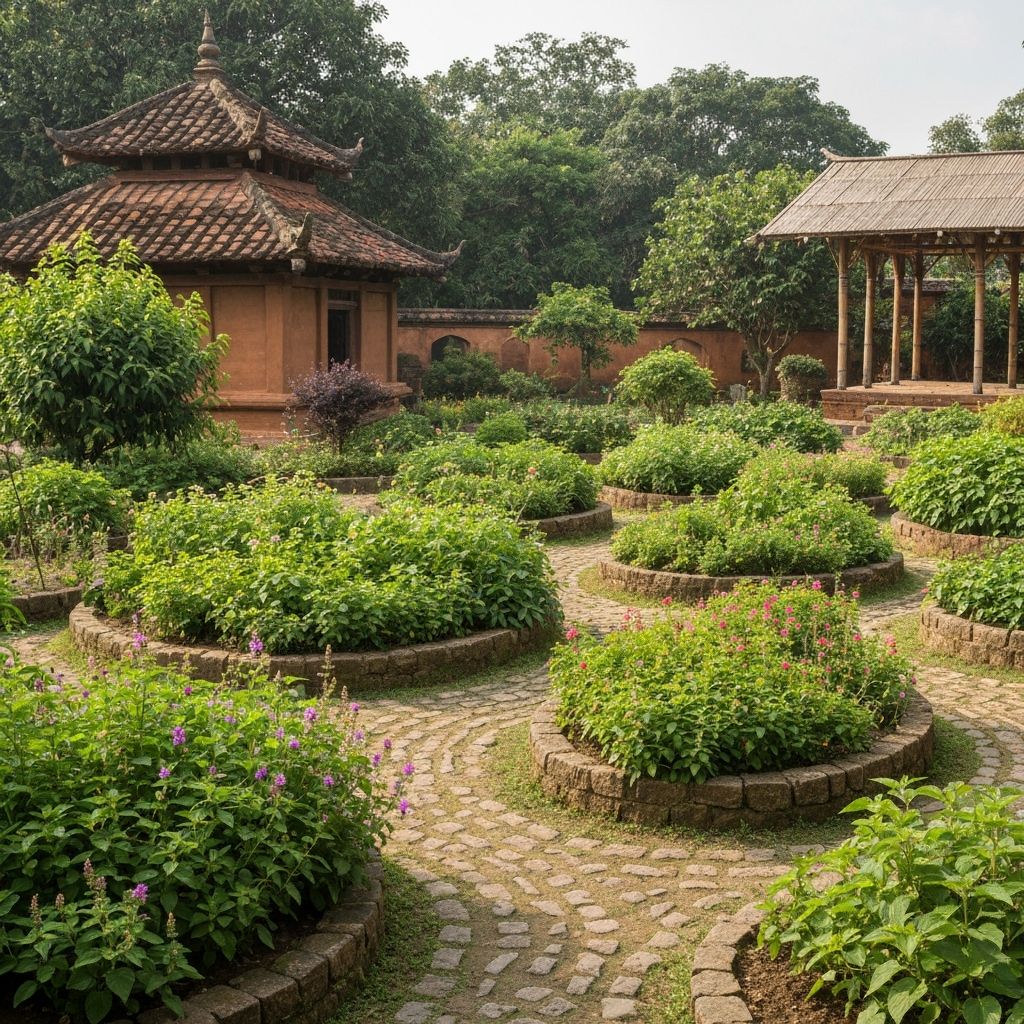
Cultural Context and Heritage
The role of adaptogenic plants in Asian wellness traditions and cultural practices.
Discover Plant OriginsContextual & Informational Limitations
Educational Content Only. All material on this website is presented for informational and educational purposes only. This content does not constitute personal recommendations, medical advice, or guidance for individual health decisions.
The information provided represents historical documentation of traditional plant use and cultural practices across various herbal systems. Individual approaches to wellness vary significantly based on personal circumstances, health status, and individual preferences.
Traditional practices documented here reflect cultural heritage and historical usage patterns, not clinical claims or guaranteed outcomes. No material should be interpreted as prescriptive direction for personal wellness decisions.
No Promises of Outcomes. This resource explains plant traditions, historical context, and cultural practices without implying or guaranteeing specific results, effects, or benefits.